
The smartphone revolution has transformed the way we play games. Gone are the days of dedicated gaming consoles and PCs; now, we can access a vast library of games on our mobile devices. Free-to-play (F2P) gaming apps have taken the UK by storm, with millions of users worldwide. So, what’s behind this phenomenon, and how is it impacting our society?
The Rise of Free-to-Play Gaming
A recent survey found that 75% of UK gamers prefer mobile gaming over console gaming, citing convenience as the primary reason. F2P gaming apps have responded by offering a vast array of games that can be downloaded and played for free. These games often generate revenue through in-app purchases, which can range from £0.99 to £99.99 per item. Some players have even spent £1,000 or more on a single game.
One of the most significant benefits of F2P gaming is its accessibility. Players can download and start playing games without spending a single penny, making gaming more inclusive for people from all walks of life. The mobile nature of F2P gaming also allows players to play anywhere, anytime, making it an ideal form of entertainment for busy schedules.
The Business Model Behind F2P Gaming
So, how do F2P gaming apps make money? The business model is straightforward: players can buy in-game items, currency, or other virtual goods using real money. These purchases can be made through various channels, including credit cards, PayPal, and even cryptocurrencies like Bitcoin. The revenue generated from these purchases is then used to fund game development, marketing, and other expenses.
A report by Newzoo predicts that the global F2P gaming market will reach £20 billion by 2025. In the UK, the market is expected to grow by 15% annually, with the average player spending £500 per year on F2P games. These figures demonstrate the significant impact F2P gaming is having on the UK gaming industry.
The Dark Side of F2P Gaming
While F2P gaming offers many benefits, it also has its drawbacks. One of the most significant concerns is the potential for addiction. Games are designed to be engaging and addictive, with rewards and incentives that can lead players to spend hours on end. This can have negative consequences, such as social isolation, decreased productivity, and even mental health issues.
Another issue with F2P gaming is the lack of transparency surrounding in-app purchases. Some games may hide the true cost of items or use manipulative tactics to encourage spending. Players may also find themselves trapped in a never-ending cycle of purchases, with no clear way to quit or exit the game.
A Common Pitfall
A common mistake players make when playing F2P games is to confuse in-game purchases with real-world currency. This can lead to a loss of money and a negative experience, so it’s essential to be aware of the risks.

The Connection to Online Gaming
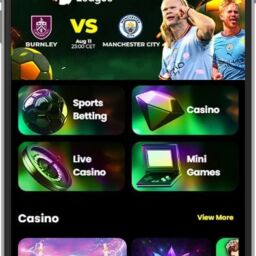
As the gaming landscape continues to evolve, it’s clear that online gaming and entertainment are becoming increasingly intertwined. For those who enjoy the thrill of online gaming, a site like velobet offers a range of exciting options, from classic slots to modern table games. Whether you’re looking to try your luck or simply relax and unwind, online gaming provides a unique and engaging experience.
The Future of F2P Gaming in the UK
In conclusion, the rise of F2P gaming apps in UK society has been a remarkable phenomenon. With millions of players worldwide, the market is expected to continue growing in the coming years. However, it’s essential to acknowledge the potential drawbacks of F2P gaming and to promote responsible gaming practices.
As the gaming industry continues to evolve, it will be interesting to see how F2P gaming adapts to the changing landscape. One thing is certain, though: F2P gaming has revolutionized the way we play games, and its impact on UK society will be felt for years to come.