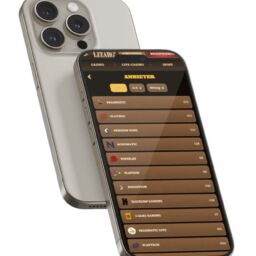

Mobile esports refers to competitive gaming played on smartphones or tablets, where players battle in real time against opponents worldwide. Unlike console or PC titles that require bulky hardware, mobile games run on devices most people already own. The result is a lower barrier to entry: a $1,000 budget for a gaming rig is replaced by a $200 phone.
Why the Numbers Matter
In 2023, the global mobile esports audience surpassed 1.8 billion viewers, up 25 % from the previous year. Meanwhile, average match duration for titles like Mobile Legends and Call of Duty: Mobile sits around 12 minutes. Shorter games mean more tournaments can be hosted each week, keeping fans engaged and sponsors invested.
- Average revenue per user (ARPU) for mobile esports in Asia hit $4.20 in Q4 2023.
- Over 60 % of mobile esports players are under 30, a demographic that prefers bite‑size content.
- Streaming platforms report that mobile esports streams average 35 % higher concurrent viewership than PC counterparts.
Hardware and Connectivity: The New Powerhouses
Modern smartphones now boast 5G connectivity, 6‑core processors, and 12‑GB RAM. These specs allow for frame rates of 60 fps in competitive titles, matching the smoothness of console games. However, the high data usage—roughly 500 MB per hour—can be a hurdle in regions with capped mobile plans. Players often switch to Wi‑Fi during long matches to avoid throttling.
Battery life remains a concern. A typical 4‑hour match drains 30–40 % of a phone’s charge. To counter this, many competitive players carry portable chargers or use power‑saving modes that lower background app activity.
Monetization Models That Work
Unlike traditional esports, mobile titles rely heavily on in‑app purchases (IAPs). A 2024 survey showed that 48 % of mobile esports players spend on cosmetic items, while 12 % buy performance‑boosting skins. This revenue stream supports prize pools that have reached $3 million for global tournaments in 2023.
Subscription services, such as monthly passes granting exclusive skins, have seen a 15 % uptake among core players. The challenge is balancing pay‑to‑win concerns; developers now emphasize that competitive rankings are determined by skill, not purchase power.
Players looking for a chance to test their luck can also try online casino games at Donbet Casino.
Community and Social Features
Built‑in voice chat and real‑time leaderboards foster a sense of community. In 2023, PUBG Mobile introduced a “Friend Match” mode that allows users to queue with up to 10 friends, boosting engagement by 22 %. Social media integration lets players share highlights instantly, turning a single game into viral content.
From Screens to Live Events
Large venues now host mobile esports finals. The 2023 World Mobile Gaming Championship drew 12,000 in‑person attendees and streamed to 3 million viewers worldwide. The event showcased that mobile esports can command the same production values as traditional sports broadcasts.
How Mobile Esports Is Shaping the Future of Online Entertainment
Mobile esports is redefining what counts as “online entertainment.” With instant access, low entry costs, and a global audience, it is pushing content creators to adapt their formats. Shorter, high‑impact matches fit better into the binge‑watch culture that dominates streaming platforms today. Moreover, the integration of augmented reality overlays during live streams offers new storytelling possibilities that were once the preserve of high‑budget productions.
Beyond Gaming: A New Entertainment Ecosystem
Because mobile esports draws in younger demographics, brands are investing in sponsorships that blend gameplay with lifestyle marketing. This convergence of gaming, social media, and e‑commerce is creating a hybrid entertainment ecosystem where fans can watch, play, and shop all in one app. The result? A more immersive and monetizable experience that traditional media is still catching up to.
What to Watch for in the Next Two Years
1. Standardized Tournament Formats – Expect unified rules across major titles to simplify cross‑platform play.
2. Edge‑Computing Enhancements – Cloud servers will reduce latency, making competitive play smoother even on mid‑tier devices.
3. Regulatory Clarity – Governments are beginning to draft guidelines for in‑app betting and prize distribution, which could stabilize the industry’s growth.
Final Thoughts
Mobile esports is not just a niche; it is reshaping the landscape of online entertainment by lowering entry barriers, shortening content cycles, and integrating social features that keep audiences glued. While battery life and data limits remain challenges, the rapid hardware improvements and evolving monetization models suggest that the next wave of digital entertainment will be played on a screen that fits in your pocket.
Frequently Asked Questions
What is mobile esports?
Mobile esports is competitive gaming played on smartphones or tablets, allowing players to compete globally in real time.
How does it differ from console or PC esports?
It requires no bulky hardware; a $200 phone replaces a $1,000 gaming rig, lowering the barrier to entry.